How do I know if my sewer line is broken?
Common signs are backups in several drains, gurgling sounds, bad smells, and a wet or sunken spot in the yard. A camera inspection by a provider can confirm the cause.
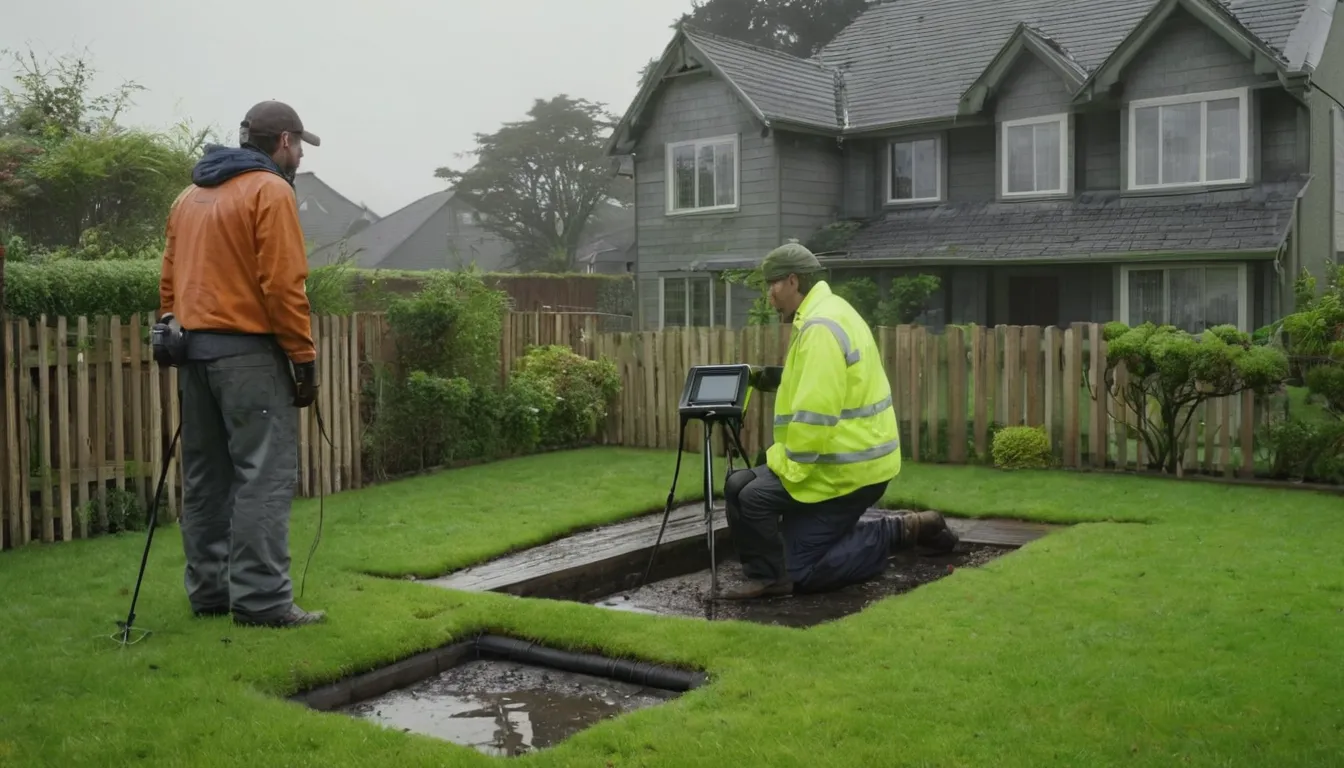
Your sewer line is the buried pipe that carries everything from your drains out to the street connection or to your septic tank. Think of it as a one-way road for wastewater. When the road cracks, fills with roots, or sags, traffic stops and backs up toward your house.
Foodbvrk Septic is a referral service. We do not do the repair work. We explain what is happening and connect you with independent providers in our network who serve the Wilsonville area. They have the cameras, cutters, and digging gear this job needs. This page shows what you can safely do first, when it is time for a pro, and what to ask before work begins.
Slow drains are one thing. Wastewater rising in a tub, shower, or floor drain is another. Picture a kitchen funnel that is clogged: pour more in and it spills over the top. Your house is the funnel, and the blockage sits farther down the pipe.
Stop using water right away. That means no laundry, no dishwasher, and no showers. Request a callback to check provider availability, since many providers can respond quickly to a backup.
There are a few things a homeowner can do without risk.
Drain chemicals can harm old pipes and are unsafe for the worker who comes next. Skip them. Also stay out of a crawl space with standing sewage. It carries germs, and a provider has the gear to handle it safely.
Think of a visit to the doctor. One small symptom may mean little. Several together tell a story.
Gurgling from drains, toilets that bubble when the sink runs, and a rotten smell indoors or by the yard all point to trouble in the main line.
Look for a soggy patch, a dip in the lawn, or grass that is greener than the rest. In a long rainy season, a puddle may only be rain. If the spot stays wet during a dry week, mention it to the provider.
A buried pipe is like a garden hose left underground for decades. It does not wear out in a day, but time adds up.
Tree roots find tiny cracks and slip inside, because the pipe is full of water and nutrients. Over time they grow into a thick mat that catches paper and waste.
Older craftsman homes may have clay, cast iron, or fiber pipe. These can crack, flake, or separate at the joints.
Soaked ground shifts and settles. A windstorm can also rock a tall tree, and its roots can tug on the pipe below.
A good repair starts with finding out what is wrong, not with a shovel.
The provider feeds a small camera down the line. It is like looking inside a drinking straw with a flashlight. You can often see the video and the spot where the problem sits.
If only one section is damaged, a provider may dig and replace just that piece. Some jobs allow lining, where a sleeve is cured inside the old pipe with little digging. A badly broken line may need full replacement. Ask which option fits your pipe and why.
Many areas require a permit for sewer work, and some require an inspection afterward. The part of the line near the street may belong to the city, while the part from your house to that point is usually yours. A provider can help sort out who is responsible. Utility lines are buried nearby, so digging should only start after they are marked.
If your home uses a septic system, the sewer line runs from the house to the tank. A full tank can mimic a line blockage. Septic tank pumping or emergency septic cleaning may solve the backup. A soggy yard near the field can point to drainfield repair instead. If you have a private well, tell the provider so digging stays clear of it. Water well service is a separate trade.
Caring for a sewer line is like brushing your teeth. Small daily habits prevent big bills.
Digging leaves a trench, and the rainy season turns loose soil into mud. Ask before work starts who refills the trench, who handles grass or gravel, and how the provider will treat moss-covered walkways and garden beds. Lining can cut the digging, but it does not suit every pipe.
A first-timer does not need to know pipe terms. Just ask clear questions and write down the answers.
A small camera travels down the pipe so the provider can see cracks, roots, and sags.
Cutters or water jets remove roots and buildup from the pipe.
Fixes damaged sections by digging or by using a sleeve inside the old pipe.
A new pipe is installed when the old line is too broken to patch.
Prices change with pipe depth, length, access, and local rules. These are typical U.S. ranges only. Always ask the provider for a written quote before work begins.
| Service | Typical range | Notes |
|---|---|---|
| Camera inspection | $100 – $500 | Shows the cause before any repair |
| Line clearing or jetting | $150 – $800 | Depends on roots and line length |
| Cleanout installation | $800 – $3,000 | Gives easier access for future service |
| Spot repair | $1,000 – $4,000 | One damaged section replaced |
| Trenchless lining | $3,000 – $10,000 | Less digging, not right for all pipes |
| Full line replacement | $3,000 – $25,000 | Length, depth, and yard work change the price |
Turn off water use in the house so the backup stops growing and the mess stays small.
Request a callback to check provider availability, or send a request through the form.
The provider inspects the line, explains the cause, and gives a written quote.
The provider fixes the pipe, handles permits as needed, and restores the work area.
We explain each stage of a sewer problem so you know what is happening underground.
Learn which small tasks are fine to do yourself and which need trained people.
Independent providers in our network know the soil, rain, and older homes of the Wilsonville area.
Request an estimate and compare. You decide whether to move forward with any provider.
Common signs are backups in several drains, gurgling sounds, bad smells, and a wet or sunken spot in the yard. A camera inspection by a provider can confirm the cause.
You can safely stop water use, protect your floors, and take photos. Digging, cutting pipe, and entering sewage areas need trained people, proper tools, and often a permit.
Some policies may cover sudden damage, but many exclude wear, age, and roots. Check your policy, and ask the provider to help document the damage for a claim.
Describe what you are seeing and ask about provider availability. A local provider in our network can take it from there, with no obligation.
No obligation